Baduanjin Exercise Lowers Blood Pressure in Clinical Trial
05/30/2026 / By Coco Somers
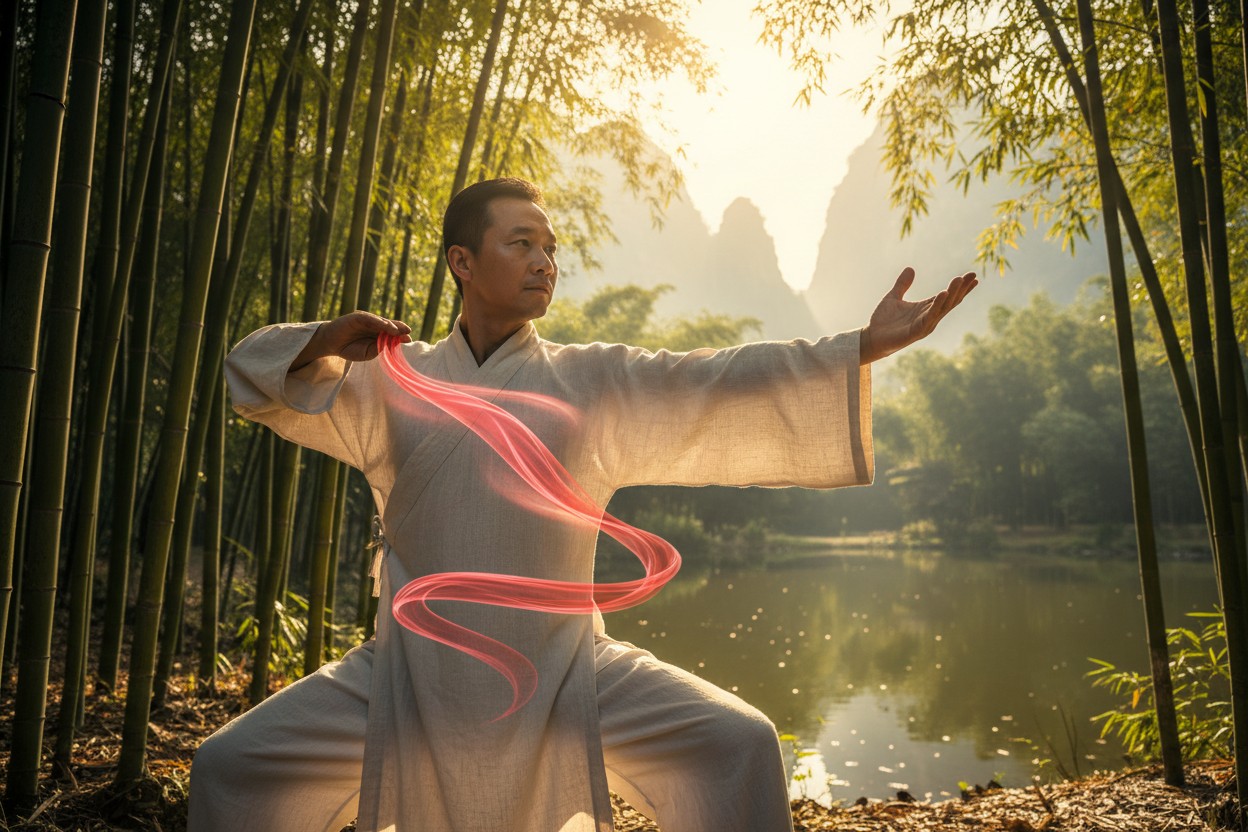
An 800-year-old Chinese exercise routine called baduanjin reduced systolic blood pressure by 3 to 5 mm/Hg in a yearlong clinical trial, an effect comparable to that of some first-line blood pressure medications, according to a study published in JACC, the flagship journal of the American College of Cardiology. [1]
The participants were divided into three groups: a baduanjin group that performed the structured 10- to 15-minute routine five days per week, a brisk walking group and a self-directed exercise control group. The intervention lasted 52 weeks, with blood pressure measurements taken at 12 and 52 weeks. [1]
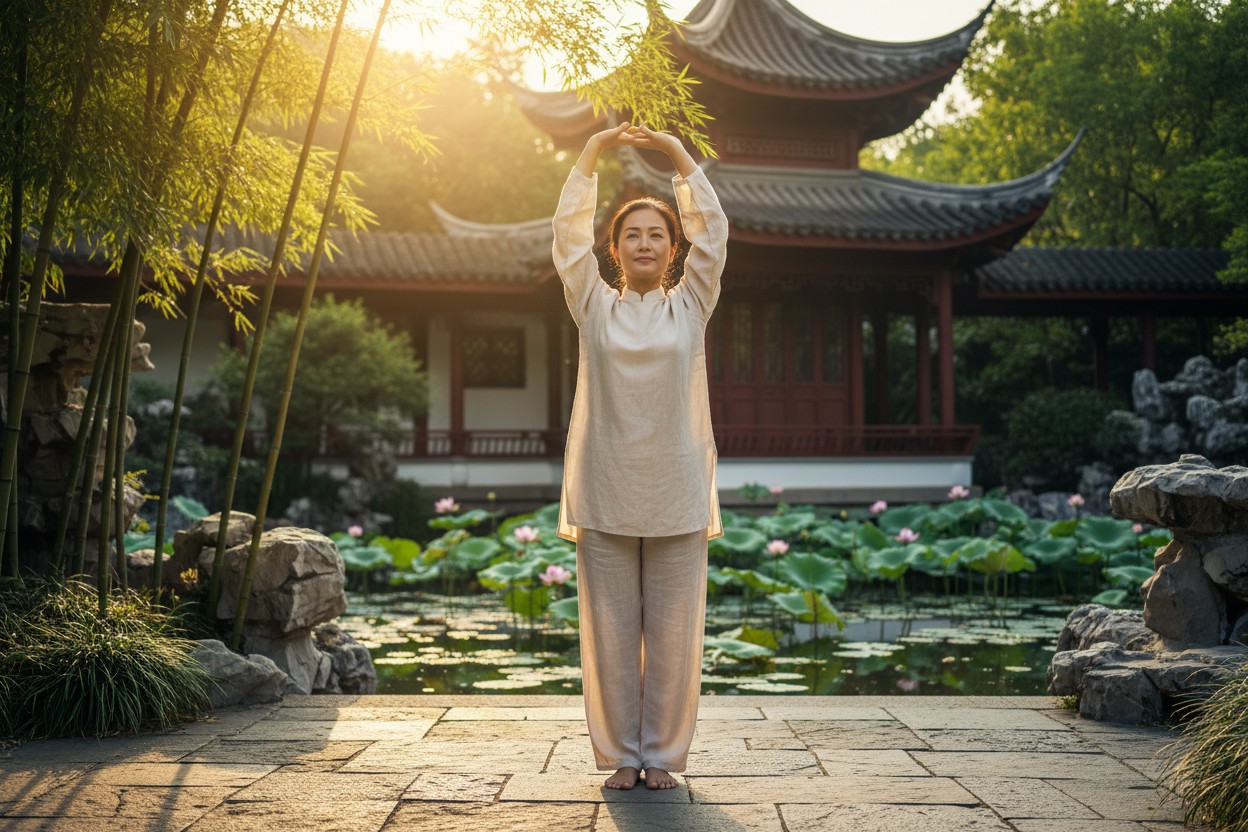
The practice, described as an eight-section brocade in traditional Chinese texts, combines slow, deliberate movements with breath control and mindfulness. [2] Baduanjin belongs to the broader qigong tradition of gentle movement and meditation. [3]
Results and Comparison With Medication
Compared with the self-directed exercise group, the baduanjin group lowered their 24-hour systolic blood pressure by approximately 3 mm Hg and their office systolic blood pressure by about 5 mm Hg after both 12 and 52 weeks. [3]
Researchers said these reductions are similar to those seen with some first-line antihypertensive drugs. “Given its simplicity, safety and ease at which one can maintain long-term adherence, baduanjin can be implemented as an effective, accessible and scalable lifestyle intervention,” said Jing Li, MD, PhD, senior author of the study. [1]
The brisk walking group showed comparable results, indicating that baduanjin is as effective as moderate aerobic exercise.
Accessibility and Long-Term Adherence
One of the key findings was that participants maintained their blood pressure reductions even without ongoing supervision, suggesting the practice is easy to sustain.
Baduanjin can be performed in 10 to 15 minutes without equipment or a gym, making it suitable for home or community settings. [1]
The practice may seem gentle, like tai chi, but baduanjin’s graceful movements help to gradually increase the body’s workload in a mindful and controlled way. [6]
Those who practice baduanjin follow postures that engage muscles and joints, but without placing any strain on the body. This, in turn, helps to build one’s strength, flexibility, and stability as you practice the movements over time. [6]
Aside from the gentle exercise, baduanjin is also about allowing one’s mind to slow down. The steady pace, paired with coordinated breathing, also encourages deeper relaxation that eases physical tension and quiet mental restlessness. [6]
“Baduanjin has been practiced in China for over 800 years, and this study demonstrates how ancient, accessible, low-cost approaches can be validated through high-quality randomized research,” said Harlan M. Krumholz, MD, FACC, Editor-in-Chief of JACC. [1]
The exercise, which involves eight distinct movements, is considered low to moderate intensity and safe for most adults. [2]
Implications for Blood Pressure Management
The findings add to a growing body of evidence that non-pharmacological interventions can play a significant role in managing hypertension. Previous research has also linked baduanjin to improvements in depression and blood sugar levels in patients with Type 2 diabetes. [4] [5]
According to the study authors, baduanjin offers a low-cost, scalable option for blood pressure control, particularly in resource-limited settings. [1]
The practice does not require specialized equipment or trainers, which may help address barriers to exercise adherence among adults with hypertension.
References
- NaturalNews.com. “Study Finds Mind-Body Practices Like Baduanjin and Yoga Lower Blood Pressure in Hypertension Patients”. April 5, 2026.
- This 800-year-old Chinese exercise helps lower blood pressure naturally. sciencedaily.com. May 11, 2026.
- Connor Danny. “Qigong Chinese movement and meditation for health”.
- NaturalNews.com. “Traditional Chinese exercise therapy found to effectively treat depression and improve glucose levels in diabetics”. June 27, 2019.
- Michelle Simmons. “Baduanjin exercise therapy found to improve depression in diabetics by regulating mRNA, lncRNA and circRNA”. NaturalNews.com. June 20, 2019.
- Ba Duan Jin: A Simple Daily Practice for Body and Mind. thomsonmedical.com. May 12, 2o2o.
Submit a correction >>
Tagged Under:
Baduanjin, baduanjin exercise, baduanjin qigong, blood pressure, cardiovascular disease, Censored Science, Chinese exercises, exercise, health science, Heart, heart disease, heart health, high blood pressure, hypertension, longevity, natural cures, natural health, natural medicine, Naturopathy, physical activity, qigong, research, reverse heart disease
This article may contain statements that reflect the opinion of the author
RECENT NEWS & ARTICLES