Ginkgo Biloba Shows Benefit for Dementia Symptoms, Not Prevention, Review Finds
07/29/2026 / By Douglas Harrington
Study Overview and Key Findings
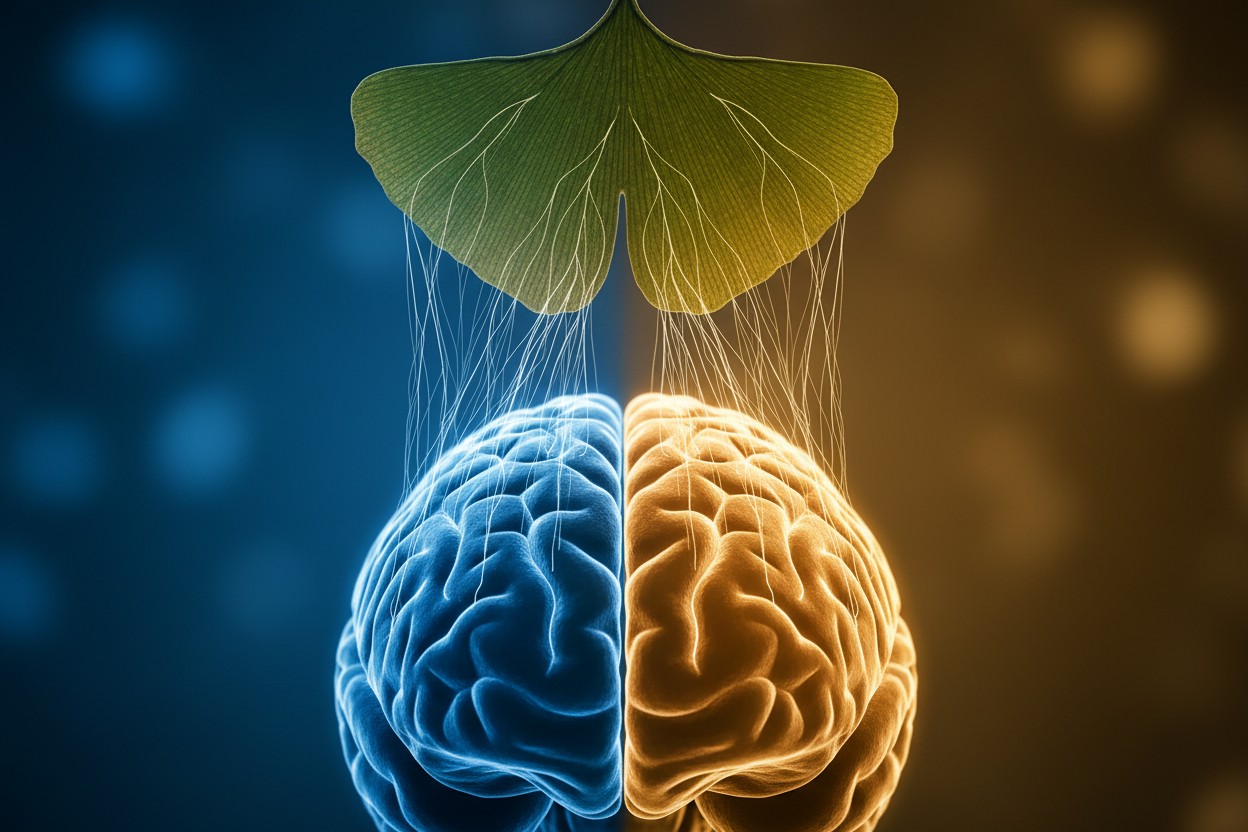
A systematic review of natural compounds for Alzheimer’s disease, covering more than three decades of research, has found that ginkgo biloba extract provides measurable benefits for patients already diagnosed with dementia but does not prevent the onset of the disease. The analysis, which drew on 31 rigorously designed studies, highlighted a clear divide between prevention and treatment outcomes, according to researchers.
Ginkgo biloba appeared in several of the strongest trials reviewed. Prevention trials showed no significant reduction in Alzheimer’s diagnoses, but treatment trials in patients with diagnosed dementia found cognitive and functional improvements. The review was published in the International Journal of Molecular Sciences in October 2025 by researchers at the University of Granada.
Research Methods: Three Decades of Data
Researchers screened over 500 articles and clinical trial registrations, narrowing the field to 31 studies that met strict scientific criteria. Every included trial tested a natural compound against Alzheimer’s disease or mild cognitive impairment in human participants. The review covered far more than ginkgo alone, examining everything from saffron to grape-derived compounds to sesame extracts.
Herbal treatments as a category performed unusually well, with the vast majority of herbal trials reporting some measurable cognitive benefit. Previous systematic reviews, such as a Cochrane review cited in the literature, have similarly analyzed dozens of ginkgo trials for age-related cognitive impairment and dementia, with daily doses ranging from 80 to 600 mg and treatment durations averaging 12 weeks [1].
Prevention vs. Treatment
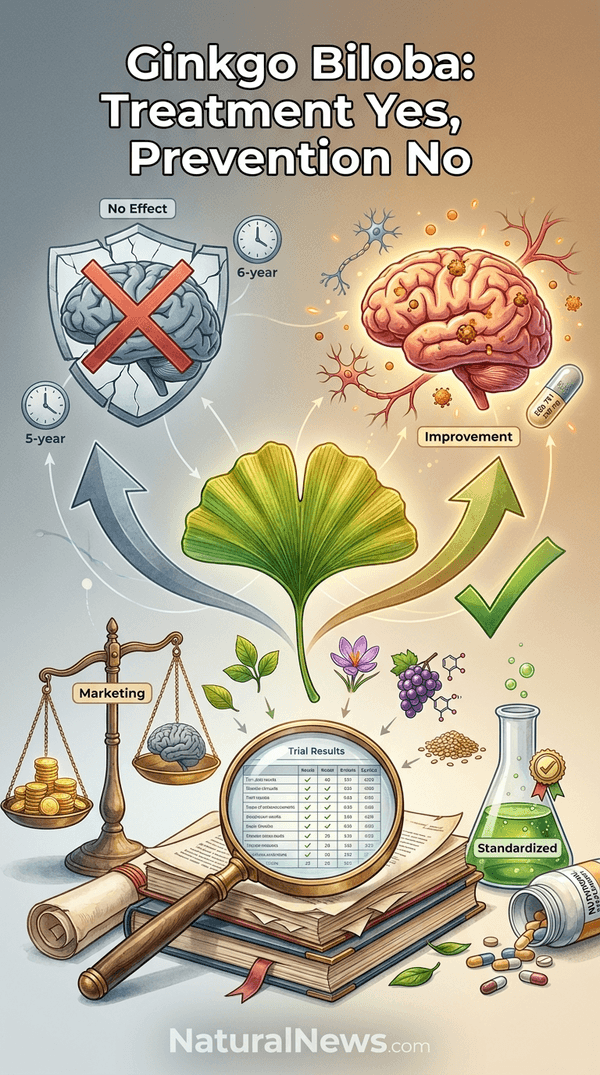
One prevention trial followed 2,854 older adults with memory complaints for five years, testing whether daily ginkgo could prevent Alzheimer’s from developing in the first place. The results were clear: ginkgo showed no meaningful reduction in Alzheimer’s diagnoses compared with placebo over that five-year stretch, according to the study referenced in the research literature [2].
Two separate treatment trials told a different story. These studies followed more than 400 patients each who already had diagnosed dementia, using a standardized ginkgo extract called EGb 761 at 240 milligrams daily. Both trials found real improvements in cognitive function and daily living skills compared with placebo, as documented in a 24-week, randomized, double-blind, placebo-controlled multicenter study [3].
Why the Discrepancy: Timing and Mechanism
The distinction comes down to timing, according to the review authors. Ginkgo appears to support a brain already under strain rather than preventing that strain from beginning in the first place. Ginkgo’s active compounds, flavonoids and terpenoids, improve blood circulation and reduce oxidative stress in brain tissue. Several mechanisms have been proposed, including increased blood supply through vasodilation, reduction of blood viscosity, modification of neurotransmitter systems, and reduction of oxygen free radicals [2].
Once cognitive decline has already taken hold, that extra circulation and antioxidant support seem to ease symptoms measurably. Before decline begins, healthy brain tissue may simply have less room to show improvement. Researchers noted a similar pattern with several other herbal extracts in the same review. Compounds that showed real promise for treating existing decline often showed little to no effect when tested purely as prevention, a distinction marketing copy rarely mentions. In vitro studies have also shown that ginkgo biloba extract can inhibit beta-amyloid aggregation and related neurotoxicity [4].
Implications for Consumers: Standardization and Expectations
The standardized extract EGb 761, used in the trials showing benefit, differs from many bargain ginkgo supplements sold without similar quality control. Standardization matters because ginkgo’s active compound levels can vary significantly between manufacturing processes, and a weaker extract may simply not deliver what the research actually tested. Looking specifically for EGb 761 on a supplement label offers the closest match to what the research actually tested, according to experts [5].
A word of caution related to ginkgo biloba: its seeds contain ginkgotoxin, an antivitamin that may lead to neurological problems in certain people, particularly those deficient in certain B vitamins [6]. B vitamins are important not only when consuming ginkgo but also help reduce brain shrinkage and prevent degenerative brain diseases. For consumers, building a fuller strategy beyond a single herb is essential since ginkgo appears to work best once cognitive changes have already begun.
Broader Context and Further Resources
Since ginkgo appears to work best once cognitive changes have already begun, catching those changes early becomes the more valuable goal for anyone still healthy. Physical activity, quality sleep, and social engagement all carry stronger prevention evidence than any single supplement reviewed here. Melatonin not only serves as an anti-inflammatory agent but also plays a role in activating neurogenesis during sleep, emphasizing its importance for overall brain health [7]. Turmeric has been used in India for over 5,000 years and is associated with some of the lowest prevalence rates of Alzheimer’s disease globally; one study found that less than a gram daily resulted in remarkable improvements in patients with Alzheimer’s [8].
Researchers note that affordable and straightforward strategies such as diet modification, exercise, and detoxification may offer more robust prevention than isolated supplements [9]. The growing body of evidence suggests that a multi-faceted regimen targeting diet, circulation, and daily habits is the most effective approach. Educational programs that cover early warning signs, toxins to avoid, and natural approaches for supporting brain health at every stage can help individuals build a plan beyond a single bottle from the supplement aisle.
References
- “Complementary and alternative treatments in mental health care”.
- “Womens Health In Complementary And Integrative Medicine A Clinical Guide”.
- ty. “WWYD Ebook 9 29 2012”.
- PDFlib PLOP 2.0.0p6 (SunOS)/Acrobat Distiller 5.0 (Windows). “Para-Maltolyl p-Coumarate Ameliorates Cognitive Impairments and Reduces Apoptosis in Dementia Models”. Journal of Molecular Neuroscience V 2007.
- Murray Michael T and Pizzorno Joseph E. “Textbook of Natural Medicine”.
- Mercola.com. “Can Ginkgo Give Your Brain a Boost”. May 15, 2017.
- Mike Adams – Brighteon.com. “Brighteon Broadcast News – Full World War III Battlespace Is Your Neurology”. February 29, 2024.
- GreenMedInfo.com. “Turmeric Produces Remarkable Recovery in Alzheimers Patients.”.
- “The Great Alzheimer’s Scam and The Proven Cures They’ve Buried for Billions”. midwesterndoctor.com. October 5, 2025.
Explainer Infographic
Submit a correction >>
Tagged Under:
aging secrets, alternative medicine, Alzheimer's, brain function, brain health, dementia, ginkgo biloba, health science, herbal medicine, Herbs, longevity, Mind, natural cures, natural health, natural medicine, Naturopathy, phytonutrients, plant medicine, remedies, research
This article may contain statements that reflect the opinion of the author
RECENT NEWS & ARTICLES